Why Electronics Recycling Helps Reduce Environmental Impact
Eco-Friendly Approaches: How E-Waste Recycling Services Are Preserving Our Planet
Electronic waste presents serious dangers to the environment, as abandoned electronic devices commonly carry harmful materials. Such dangerous compounds can pollute soil and water supplies, resulting in widespread environmental harm. Electronic waste recycling programs offer an effective remedy. They not only recover valuable resources but also mitigate pollution. Gaining insight into how these programs function and affect local communities is critical. The journey towards effective e-waste management raises critical questions about individual responsibility and collective action. What actions should be considered going forward?
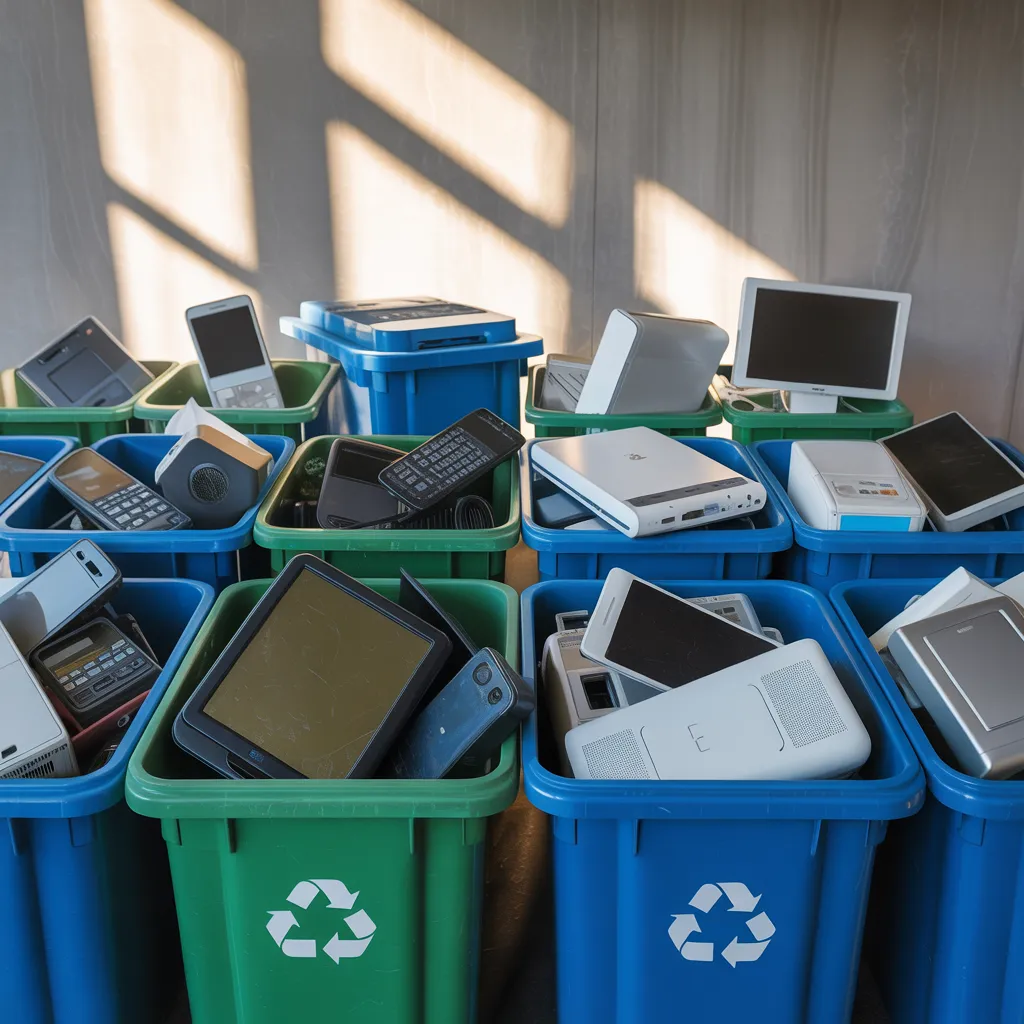
Why Electronic Waste Is Harmful to the Planet
Even though technological advancements improve our daily lives, e-waste creates considerable environmental hazards. Discarded electronic devices, often containing hazardous materials such as mercury, lead, and cadmium, may release harmful substances into groundwater and soil, posing risks to human health and ecosystems. The swift progression of technology leads to greater consumer replacement of electronic devices, exacerbating the accumulation of e-waste.
Landfills, already burdened with waste, struggle to accommodate the growing volumes of discarded gadgets. Burning, an alternative disposal approach, discharges toxic contaminants into the air, worsening overall air quality. Moreover, poor recycling procedures can cause e-waste to be sent to developing regions, where employees may disassemble electronics without sufficient safety precautions, leaving them vulnerable to harmful substances. This cycle of neglect and improper handling underscores the urgent need for sustainable recycling solutions that can mitigate the adverse effects of e-waste on the planet.
What Is E-Waste and Its Importance?
Electronic waste, commonly known as e-waste, includes discarded electronic devices such as computers, smartphones, and televisions that are no longer functional or needed. This growing category of waste is significant due to its rapid accumulation, fueled by innovation in technology and shifting consumer habits. As growing numbers of electronics become outdated, the toll on the environment grows more severe, with dangerous elements including lead, mercury, and cadmium posing risks to ecosystems and human health.
Addressing e-waste is crucial not only for reducing these dangers but also for acknowledging the precious materials found within it. Valuable metals and rare earth materials can be extracted and repurposed, lessening the demand for mining and preserving natural resources. By understanding e-waste and its implications, individuals and organizations can make informed decisions about disposal and recycling, ultimately contributing to a more sustainable future. Effective handling of e-waste is vital for encouraging a circular economy and advancing environmental responsibility.
The Way E-Waste Recycling Functions
The recycling of e-waste encompasses a systematic process intended to extract beneficial components while reducing harm to the environment. To begin, e-waste is collected and transported to purpose-built recycling plants. After reaching the facility, the electronics are carefully categorized to separate hazardous components from recyclable materials.
Following View article this, technicians deconstruct the devices, recovering metals, plastics, and glass. This phase is essential, as it facilitates the retrieval of high-value metals like copper, gold, and silver, which can be reused in new electronic products.
Subsequently, the separated materials are processed via cutting-edge techniques, such as mechanical shredding and chemical processing, to cleanse them for reuse.
Ultimately, the remaining hazardous materials are disposed of responsibly, complying with environmental regulations. This systematic method not only saves important resources but also reduces the dangers associated with unsafe e-waste handling, securing a more eco-conscious future for electronic consumption.
How E-Waste Recycling Benefits You and Your Community
Although it often goes unnoticed, the benefits of e-waste recycling go far beyond individual benefit and actively shape entire communities. By properly recycling electronic waste, individuals contribute to a healthier environment, reducing harmful substances that can leach into soil and water. This responsible method helps preserve local ecosystems and supports public health.
In addition, e-waste recycling fosters job creation within communities. Community recycling operations commonly require workers for numerous tasks, spanning collection through processing, consequently creating meaningful employment for local residents. This not only strengthens the regional economy but also inspires community dedication to sustainable efforts.
Furthermore, familiarity with e-waste recycling is capable of inspiring awareness campaigns, enabling residents to make environmentally conscious decisions. By participating in e-waste recycling programs, individuals cultivate a culture of sustainability, inspiring others to join the movement. All things considered, the collective impact of these actions can lead to a more sustainable and conscientious community.
How to Pick an E-Waste Recycling Service
Picking the right e-waste disposal service is essential for making sure that electronic refuse is handled in a responsible and sustainable manner. Initially, people should confirm the service's accreditations, such as e-Stewards or R2, which indicate conformance to professional guidelines for secure waste disposal procedures. It's also important to examine the company's credibility by reviewing feedback and obtaining advice from dependable sources.
Next, clarity in the recycling process is essential. A reliable company should provide clear information about how e-waste is processed and what becomes of the materials. Furthermore, considering the scope of services provided can prove valuable; certain providers may offer collection services or present rewards for recycling.
Furthermore, learning about local regulations regarding e-waste disposal can additionally influence the evaluation process. When these considerations are given priority, residents can actively participate in successful electronic waste reduction alongside encouraging environmentally responsible practices.
How You Can Get Involved in E-Waste Recycling?
Getting involved with e-waste recycling can start at the local level, where local recycling facilities regularly supply essential services for safe disposal. Additionally, taking part in community awareness campaigns can amplify efforts to educate others about the importance of responsible e-waste management. These actions not only advance environmental sustainability but also build a collective sense of accountability for the environment.
Community Recycling Locations
Numerous regional recycling hubs play an essential role in electronic waste recycling, offering communities convenient opportunities to dispose of electronic waste responsibly. These stations receive a range of electronic items, including old computers, smartphones, and televisions, ensuring that harmful materials are handled safely. Most centers are equipped with qualified professionals who help individuals navigate appropriate disposal procedures, underscoring the benefits of recycling compared to landfilling. Moreover, many centers offer drop-off events or designated collection days, allowing residents to take part with ease. By taking advantage of these neighborhood resources, residents support a circular economy, decreasing environmental damage and advancing sustainable approaches. Partnering with these facilities encourages communities to fight e-waste pollution decisively.
Community Awareness Campaigns
Community groups, educational institutions, and companies can partner to arrange initiatives that encourage e-waste collection drives. Dedicated participants can take a leading part in raising awareness, sharing informational resources, and connecting with local residents. As a result of these combined actions, residents become more informed and motivated to recycle their electronic waste, ultimately contributing to a more sustainable future.
Answers to Your Most Common Questions
What Kinds of Electronics Can Be Recycled?
Numerous electronics can be recycled, including computers, smartphones, televisions, laptops, gaming consoles, and printers. Additionally, ancillary devices such as mice, keyboards, and batteries are equally appropriate for recycling, promoting efforts to conserve the environment.
Is There a Cost Associated With E-Waste Recycling?
That's correct, e-waste disposal sometimes comes with fees, subject to the facility. Some service centers apply costs for gathering or treatment, while other facilities offer free services, frequently supported by the proceeds from salvaged materials.
How Do Businesses Gain From E-Waste Recycling?
Organizations can gain from e-waste recycling by minimizing disposal costs, enhancing their environmental image, meeting compliance standards, extracting valuable resources, and potentially generating revenue through resale, thereby fostering a more environmentally responsible business approach.
What Occurs with Data on Recycled Devices?
Details from refurbished electronics is often completely removed or destroyed during processing. This guarantees confidential data remains secure, preventing unauthorized access while enabling materials to be reused securely and sustainably within new applications.
Is It Possible to Recycle Damaged Electronics?
Indeed, broken electronics may be recycled. Numerous recycling centers process non-functioning devices, ensuring proper disposal and recovery of precious materials. This effort helps decrease the environmental footprint while promoting sustainable recycling habits to manage e-waste effectively.